October 18, 2026
Allergies, Odors and Indoor Air in Lake County Homes: When Moisture Problems May Be Affecting Comfort
By @sunstaterestore922
If you live in Lake County, you do not need a lecture on humidity. You feel it when the air conditioner runs all afternoon and the house still seems sticky. You notice it after one of those heavy Central Florida storms rolls through, when the windows fog a little and the closets smell different. Sometimes the first clue is not a visible leak at all. It is a musty odor that lingers in the hallway, a bedroom that feels damp even with the AC on, or a family member who says their allergies seem worse indoors than outside.
Those comfort complaints often get brushed off as part of living in Florida. Sometimes that is true. Florida https://airhome338.inkharbory.com/posts/sewage-cleanup-basics-why-backups-in-groveland-homes-require-health-precautions-and-isolation is humid, and houses work harder here. But persistent odors, recurring moisture, and indoor air quality concerns can also point to a problem that needs more than a candle, a filter change, or wishful thinking.
In Lake County communities like Groveland, Clermont, Minneola, Mascotte, Howey-in-the-Hills, Mount Dora, and Leesburg, the pattern is familiar. Afternoon rain, long cooling seasons, and occasional storm-related water intrusion can leave buildings holding moisture longer than owners realize. When that moisture stays trapped in materials or in the air, comfort tends to drop first. Then smells show up. Then staining, swelling, or microbial growth may follow.
Why moisture changes the way a home feels
A dry house and a damp house can be the same temperature on a thermostat and still feel completely different. Moisture affects comfort in ways people notice before they can explain them. Upholstery can feel clammy. Towels seem slow to dry. A back room may smell stale by evening. Even clean homes can develop a “closed up” smell that comes back shortly after cleaning.
That happens because indoor air quality in Florida is tied closely to moisture control. The Florida Department of Health advises people to look for signs of moisture or water damage when they are concerned about mold, and it does not recommend mold testing or sampling as the first step. That practical approach lines up with what many restoration and building professionals see in the field. If moisture is still present, testing alone does not solve the reason the house feels off.
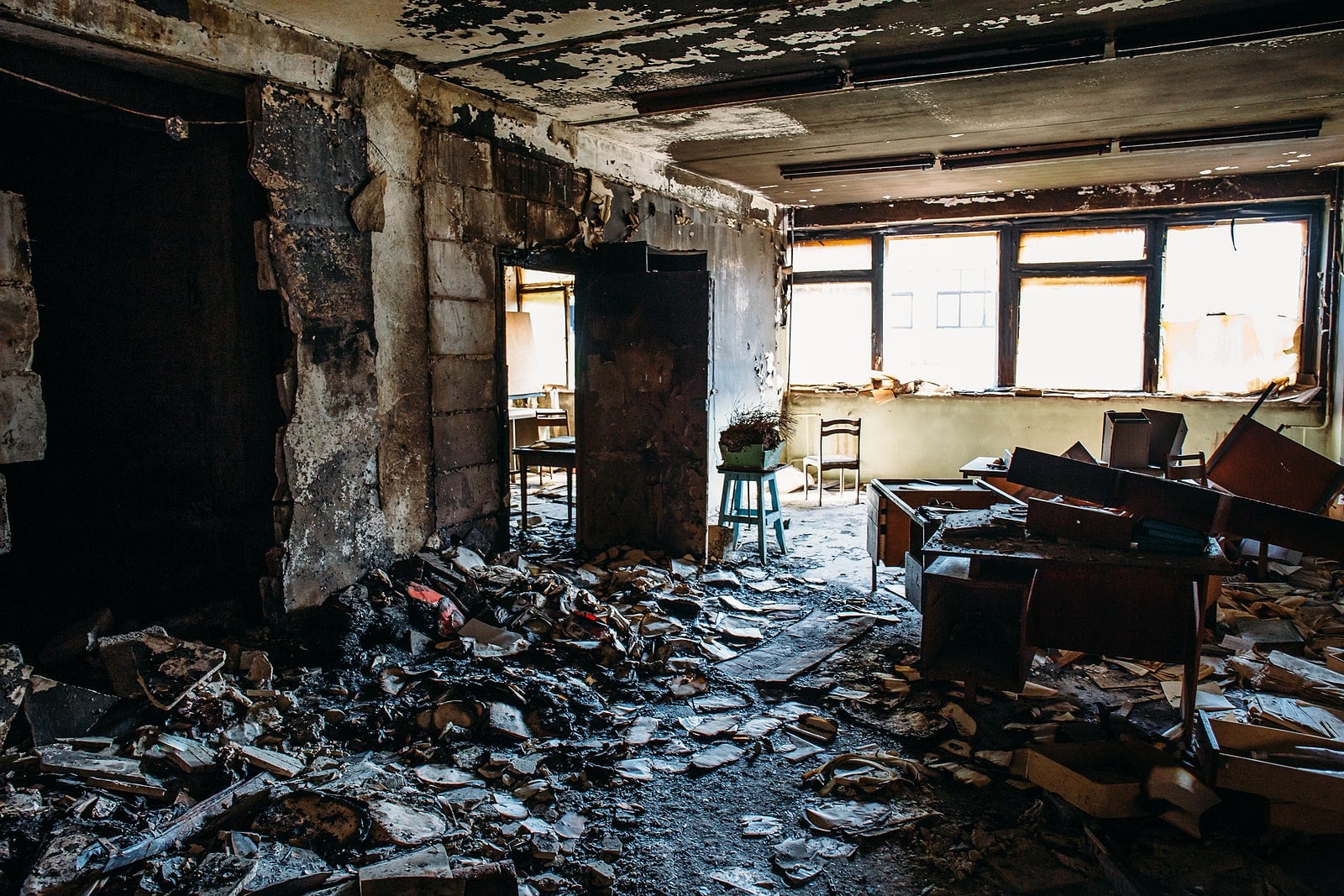
Sometimes the culprit is obvious, like a roof leak after a storm. Sometimes it is subtler. Condensation near vents, moisture in wall cavities, wet underlayment after a small plumbing issue, or damp materials under flooring can all contribute to odors and discomfort. You can clean surfaces over and over and still never solve the root problem if the building materials underneath remain wet.
The signs people miss because they seem normal
Moisture problems do not always announce themselves with standing water. In fact, some of the most frustrating cases are the ones that never produce a dramatic event. A property owner may say, “There wasn’t really a flood, just a little water by the baseboard,” or “The carpet dried, so I thought it was fine.” Weeks later, the same room smells musty every morning.
Older homes can make this harder to sort out. A home inspection on older homes in Florida often reveals layers of past repairs, additions, and materials that have experienced years of seasonal humidity. That does not mean every older home has an indoor air problem. It does mean that previous moisture events, hidden cavities, and aging materials deserve a more careful look when comfort has changed without an obvious explanation.
Odors matter here. Smells are not always dangerous, but they are rarely random. A musty smell usually means moisture has been or still is present somewhere it should not be. A smoky smell after a fire event is different and calls for a different response. Smoke odor removal is its own discipline because odors can settle into porous materials, HVAC pathways, and soft goods. The common thread is that lingering smells often mean some part of the structure or contents still needs attention.
The difference between a humid house and a moisture problem
People ask a fair question all the time: how do you tell the difference between ordinary Florida humidity and a real moisture issue?
The answer usually comes from patterns. Humid outdoor weather should not create a persistent localized odor in one closet, one wall, or one room. It should not repeatedly buckle a baseboard, stain the same ceiling area, or leave one side of the house feeling damp long after the storm has passed. General humidity can make a whole house feel less comfortable. A moisture problem often acts more specifically and more stubbornly.
Another clue is recurrence. If you clean a surface, dry a visible area, and the smell returns, that suggests hidden moisture may still be feeding the problem. The same goes for allergy complaints that seem strongest in a particular room or after the AC has been running. Not every sneeze means there is mold in the walls, of course. Seasonal allergies are real, and so are dusty returns, dirty coils, and ordinary household irritants. But when symptoms line up with musty odors and moisture history, it is worth taking seriously.
This is also where a lot of mold myths take hold. One myth is that if you cannot see growth, nothing is wrong. Another is that if a home “airs out” during the day, the issue has resolved. A third is that buying a test kit is the fastest path to an answer. In practice, moisture control usually matters more than chasing a lab result first. If a material is wet, if the smell keeps returning, or if staining is active, the building is telling you something.
What happens after water gets in
Water can enter a building in several ways, and each one behaves differently. Rain intrusion from storms may spread through roof assemblies, windows, or wall penetrations. Plumbing leaks can soak cabinets, drywall, and flooring from below or behind. Appliance failures can send water across large floor areas quickly. Even a slow leak can create long-term dampness if it goes unnoticed.
The first phase of response is often mitigation vs remediation, and people understandably mix those terms up. Mitigation is about limiting further damage. It may include water extraction, removing saturated materials when necessary, setting up drying equipment, and stabilizing the situation. Remediation generally refers to correcting the affected conditions, which can include addressing contamination or damaged materials after the immediate threat is controlled.
That distinction matters because timing matters. If a building still has active moisture, jumping straight to cosmetic repair can trap problems in place. New paint over damp drywall does not create a healthy room. New flooring over wet underlayment often turns one problem into a larger one. Good decisions come from understanding where the water went, what stayed wet, and whether the structure has actually dried.
For managers of rental or commercial properties, this becomes even more important. Property manager water damage calls are often urgent because the issue affects more than one unit, more than one tenant, or a business operation that cannot pause for long. In those cases, acting quickly helps reduce disruption, but speed alone is not enough. The response has to match the type and extent of the loss.
Drying the space properly is not the same as masking the problem
One of the easiest mistakes after a water event is assuming that once visible water is gone, the building is dry. Hidden moisture does not care what the surface looks like. A wall cavity may still be damp. The padding under a floor may still hold moisture. Framing can retain water longer than expected depending on conditions.
That is why dehumidification and air scrubbers often come up in serious cleanup work, though they serve different purposes. Dehumidification helps reduce moisture in the air and supports structural drying. Air scrubbers are commonly used to improve air quality during certain types of cleanup by capturing airborne particles under the right setup and conditions. They are not magic boxes that fix every odor or every moisture problem. Used appropriately, they can support a cleaner work environment. Used as a substitute for finding and correcting the source, they only create the appearance of action.
In lived experience, homeowners often feel relief just seeing professional equipment in place. That is understandable. It signals progress. But the real question is not whether equipment arrived. It is whether the plan fits the conditions. A small bathroom leak, a soaked office suite, and post-storm intrusion in an older home do not all call for the same approach.
A practical water damage checklist for the first few hours
When water shows up unexpectedly, people tend to jump into cleanup before they pause and look around. A short, sensible water damage checklist can prevent a bad situation from getting worse.
- Stop the source if you safely can, whether that means shutting off a supply line, moving contents away from a leak, or blocking additional rain entry if conditions allow.
- Document what you see with photos and notes before moving too much, especially if the loss may involve insurance or affect tenants.
- Remove valuables, paper items, electronics, and fabrics from wet areas if it is safe to do so.
- Avoid assuming that surfaces are dry just because they feel dry, especially around baseboards, cabinetry, and flooring transitions.
- Get qualified help quickly if water is extensive, has affected multiple rooms, or if odors and dampness continue after the obvious water is gone.
That is not an advanced restoration plan. It is simply the kind of level-headed first response that gives everyone a better chance of making good decisions.
Why Florida’s weather keeps raising the stakes
The local climate is part of this story. Florida’s official hurricane season runs from June 1 through November 30, and preparation is supposed to start before the season begins. That advice makes sense even in years when storms are forecast differently, because the vulnerability is not just about direct hurricane damage. It is also about wind-driven rain, prolonged wet periods, power interruptions, and delayed drying conditions.
In a place like Lake County, storm preparation is not only about shutters and flashlights. It is also about the building envelope, drainage, and understanding how your property tends to behave when repeated rain hits over several days. Homes and buildings that already have unresolved moisture issues are more likely to struggle during storm season.
For hurricane season preparation in Florida, the smartest work often happens before anything dramatic occurs. Checking for prior staining, recurring odor areas, and spots that have leaked before is not glamorous, but it is practical. If a room has had a musty smell every summer for three years, waiting until late August to think about it is rarely the cheapest or easiest route.
Older homes and renovation projects need extra care
Lake County has homes and buildings of different ages, and older structures often come with hidden layers of history. Renovation plans can uncover old damage, concealed moisture, and materials that require a regulated approach. This is especially important when projects involve disturbing older building components.
An asbestos survey before renovation may be necessary depending on the building type and scope of work. Florida regulates asbestos work through licensure and abatement rules, and the state requires licensed professionals to follow the applicable requirements. Florida’s asbestos rules are aimed at minimizing fiber release during demolition and renovation, particularly in commercial, public, and residential buildings, though some single-family homes and smaller residential buildings may fall under different requirements depending on the project. The key point for owners is simple: if renovation could disturb suspect materials, do not guess. Use properly licensed professionals where required.
This matters because moisture problems and renovation work often intersect. Someone opens a wall to repair water damage and suddenly the project is not just about drying anymore. It may involve regulated materials, expanded containment, and a different sequence of work. That is one reason older-home projects benefit from patience and good planning. The cheapest-looking repair path at the start can become the most expensive one later.
Residential concerns and commercial mold remediation are not identical
The phrase commercial mold remediation often gets used as if it simply means “mold work in a bigger building,” but the practical differences can be significant. Commercial settings may involve occupied offices, retail traffic, maintenance schedules, tenant communications, and pressure to reopen quickly. The moisture source may affect a large area, or several separate areas connected by HVAC zones or building operations.
Homes bring a different set of complications. Occupants may be living right in the middle of the disruption. Belongings are personal, not just functional. A child’s room, a family photo wall, or a closet of stored keepsakes changes the emotional tone of the work. The technical goal may still be drying and correction, but the experience is not the same.
That said, the same principle applies in both settings. Moisture control is the heart of the matter. If the source remains, the problem remains. Good remediation work is not just removal. It is diagnosis, containment when needed, and correction of the conditions that allowed the issue to persist.

When emergency response really matters
There is a world of difference between a stale-smelling guest room and water pouring into a building at night. Some situations truly are emergencies, and waiting until normal business hours can add damage. Burst lines, major roof failures, or widespread intrusion after a storm are obvious examples.
That is where 24/7 emergency cleanup in Lake County can make a real difference, especially during storm season or after-hours losses. Fast response can help stabilize wet areas, protect contents, and begin the mitigation side of the job before moisture spreads further. For building owners, renters, and managers, the key is understanding that emergency service is about immediate stabilization, not instant final repair. It buys time and reduces escalation. The rest still depends on careful assessment and proper drying.
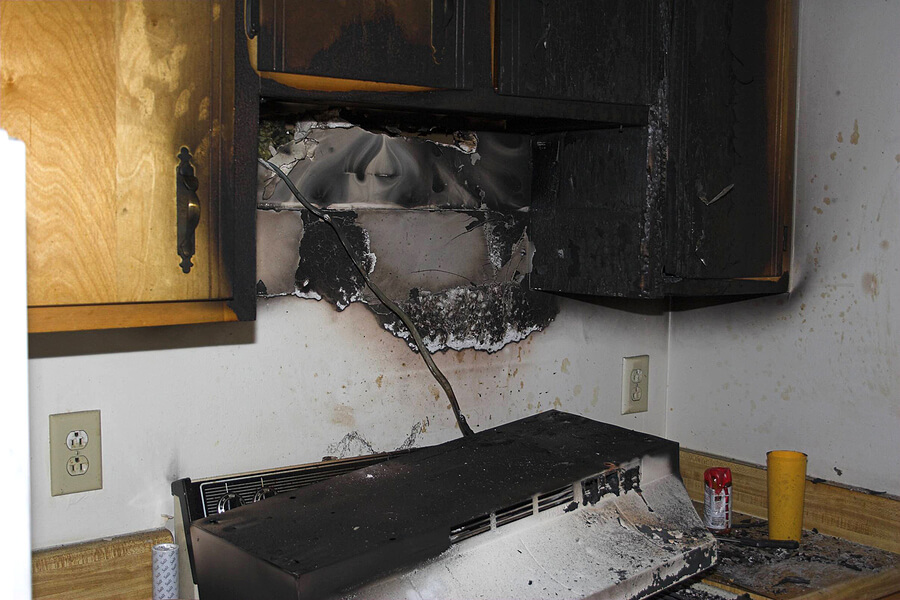
EnviroTech Solutions is based in Groveland and serves Lake, Orange, Seminole, and Osceola counties, which puts it in the middle of the kind of Central Florida conditions that create these calls in the first place. That local context matters. Buildings here do not dry under the same assumptions as buildings in a milder, less humid climate.
How to talk about concerns without overreacting
One challenge with indoor air complaints is that people often fall into two extremes. They either panic at the first odor, or they ignore a pattern for months because they do not want to deal with it. The better path is somewhere in the middle.
Start with what you can observe. Is there a recurring smell? Is it stronger after rain, after the AC runs, or in one room only? Have you had a recent leak, roof issue, or plumbing repair? Do surfaces show staining, swelling, or soft spots? Has the house felt more humid than usual despite normal cooling? Those details matter more than dramatic language.
This is also where professional judgment helps. The restoration and inspection fields include recognized training and certification pathways through organizations such as the IICRC, which offers certifications related to microbial remediation, structural drying, and building moisture inspection. Certification alone does not guarantee good work, but it does show that these are specialized disciplines, not random handyman tasks.
A few common myths that keep problems around longer
Some moisture and odor issues stay unresolved because of persistent misconceptions. These are the ones that come up most often in day-to-day conversations:
- If you cannot see mold, there is no moisture problem.
- A room that smells better after cleaning has been fixed.
- Mold testing is always the best first step.
- Running the AC harder will solve hidden dampness by itself.
- New paint or new flooring can safely cover a previously wet area without confirming dryness.
Every one of those ideas can delay a proper solution. The Florida Department of Health’s guidance is especially useful on the testing point. If you see signs of moisture or water damage, that is the issue to address first.
Comfort is often the first warning, not the last
By the time moisture creates visible structural damage, the house has usually been sending smaller warnings for a while. A smell in the linen closet. A room that always feels muggy. A return to “allergy season” symptoms whenever windows stay closed and the AC runs all week. These do not prove one specific cause on their own, but they should not be dismissed just because they seem minor.
That is particularly true in Lake County, where climate conditions can turn a small unresolved issue into a stubborn one. Humidity does not create every indoor air problem, but it makes many of them harder to ignore and harder to fix casually. The earlier the source is found and corrected, the more options you usually have, and the less likely comfort complaints are to become larger repair issues.
A healthy, comfortable home in Central Florida is not necessarily a perfect one. It is a home where moisture is managed, problem areas are not ignored, and lingering odors are treated as clues instead of covered up. If the air in your home has changed, your building may already be telling you what it needs.
❧