October 26, 2026
Before You Open Walls or Replace Flooring: A Groveland Guide to Possible Asbestos in Older Homes
By @sunstaterestore922
If you own an older home in Groveland, it is easy to get excited about the fun part of a renovation. New floors. A brighter kitchen. Better storage. Maybe finally opening up that closed-off room that has bothered you since move-in day.
The risk usually enters the picture right before the first cut.
Older homes can hold hidden hazards that stay relatively contained until renovation disturbs them. That is why Groveland FL asbestos testing matters so much before demolition, sanding, tearing out flooring, or opening walls. Once materials are disturbed, the project can shift from a straightforward remodel to a health, cleanup, and compliance problem in a hurry.
That is especially true in Lake County, where homes also deal with a second pressure point: moisture. Groveland sits in a part of Central Florida where humid summers, heavy rain, and hurricane season can create the kind of damp conditions that complicate any renovation. A house might already have a leak behind a wall, a wet subfloor under old flooring, or a mold issue tied to the HVAC system. When you combine age, moisture, and demolition, you need a careful plan.
Why older homes deserve a slower first step
A lot of homeowners assume the danger shows itself clearly. They expect a warning sign, a label, a strange smell, or something visibly crumbling. Real houses are rarely that tidy.
What often happens instead is this: someone starts removing materials during a remodel because the room looks dry and solid on the surface. Once things are opened up, they discover signs of long-term water intrusion, staining, hidden mold, or materials that should have been evaluated before disturbance. Even if the renovation was meant to be cosmetic, the job suddenly involves environmental questions and restoration decisions.
The older the home, the more careful you need to be. EPA guidance says homes built before 1978 may contain lead-based paint, and renovation or repair work can disturb hazardous materials in older homes. EPA asbestos guidance also makes clear that demolition or renovation work on asbestos-containing materials must be handled under applicable rules. That does not mean every older Groveland house has asbestos. It means older homes earn caution before the first piece is removed.
That caution pays for itself. Testing and planning are far cheaper than stopping a project midway, isolating rooms, revising scopes of work, and trying to sort out what was spread where.
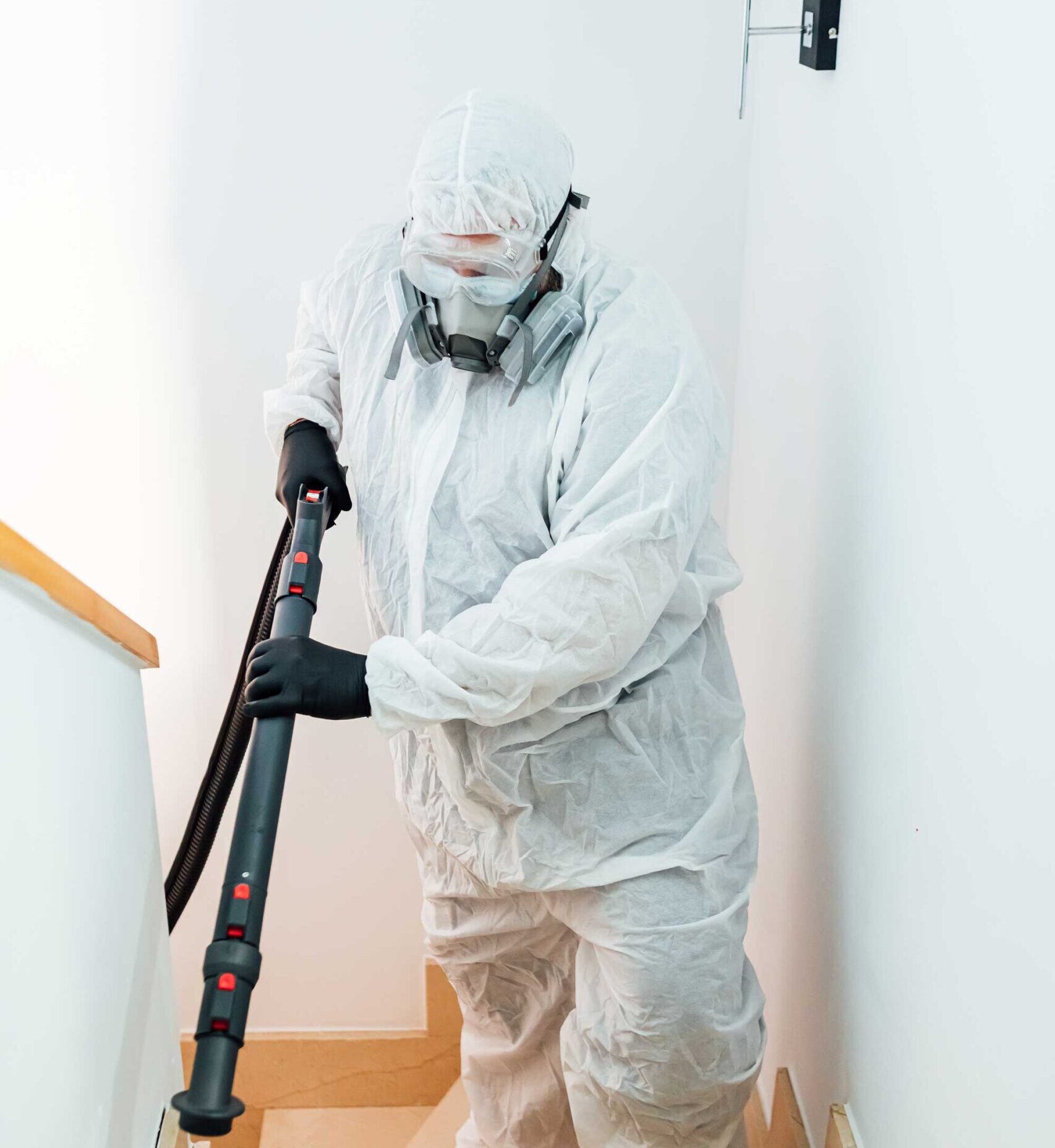
The moment a cosmetic update becomes a contamination issue
Homeowners usually call too late for one of three reasons.
First, they trusted the project was small. A few boards of flooring. One wall. One bathroom. One weekend. Small jobs still disturb materials.
Second, they focused on what they could see. Surface appearance tells only part of the story. A room can look clean and dry while a leak, condensation issue, or old damage sits behind finishes.
Third, they treated asbestos, mold, water damage, and general demolition debris as separate categories when they often overlap in the real world. In practice, a remodel can touch all of them at once.
I have seen versions of the same situation many times. A homeowner pulls out old flooring, then notices dark staining along the perimeter. A contractor opens a wall and finds evidence that moisture has been entering from above. An AC system that has been struggling to keep indoor humidity down turns out to be part of the problem. Florida health guidance says mold grows when moisture is present, with common sources including roof leaks, plumbing leaks, condensation, flooding, poor bathroom or kitchen ventilation, and HVAC or drain-pan problems. If a central AC system is being used to lower humidity below 60 percent, the system should be examined for problems. That matters in Groveland, where long stretches of humidity can hide trouble in plain sight.
Once a project reaches that point, you are no longer just choosing paint colors. You are making decisions about containment, testing, cleanup sequence, and whether you need a licensed professional for mold-related work or other remediation.
What homeowners in Groveland should do before demolition starts
The smartest renovation money is usually spent before the dust begins. You do not need a dramatic disaster to justify that step. You just need an older home and a project that will disturb existing materials.
Here is the simple pre-demo checklist I wish more homeowners used:
- Pause any planned demolition in older areas of the home until materials are evaluated.
- Ask direct questions about the home’s age, previous repairs, leaks, and any recurring moisture or odor issues.
- If there has been flooding, storm intrusion, or chronic dampness, address that history before cosmetic work.
- Coordinate early with qualified professionals if testing, cleanup, or remediation may be needed.
- Keep your insurer informed if damage from water, storm, smoke, or fire is part of the renovation story.
That short pause can prevent weeks of confusion.
Moisture changes everything
In Groveland and across Lake County, moisture is often the hidden force driving bigger problems. Florida health guidance is straightforward on this point: visible mold or recurring mold usually means the underlying moisture source still needs to be fixed. If the moisture remains, the problem returns.
That sounds obvious, but homeowners still get trapped by surface-level fixes. They replace a section of wall without correcting the roof leak. They clean a closet and repaint it without addressing condensation. They schedule mold removal Groveland services because a smell keeps returning, but the source is still active somewhere in the building envelope or HVAC system.
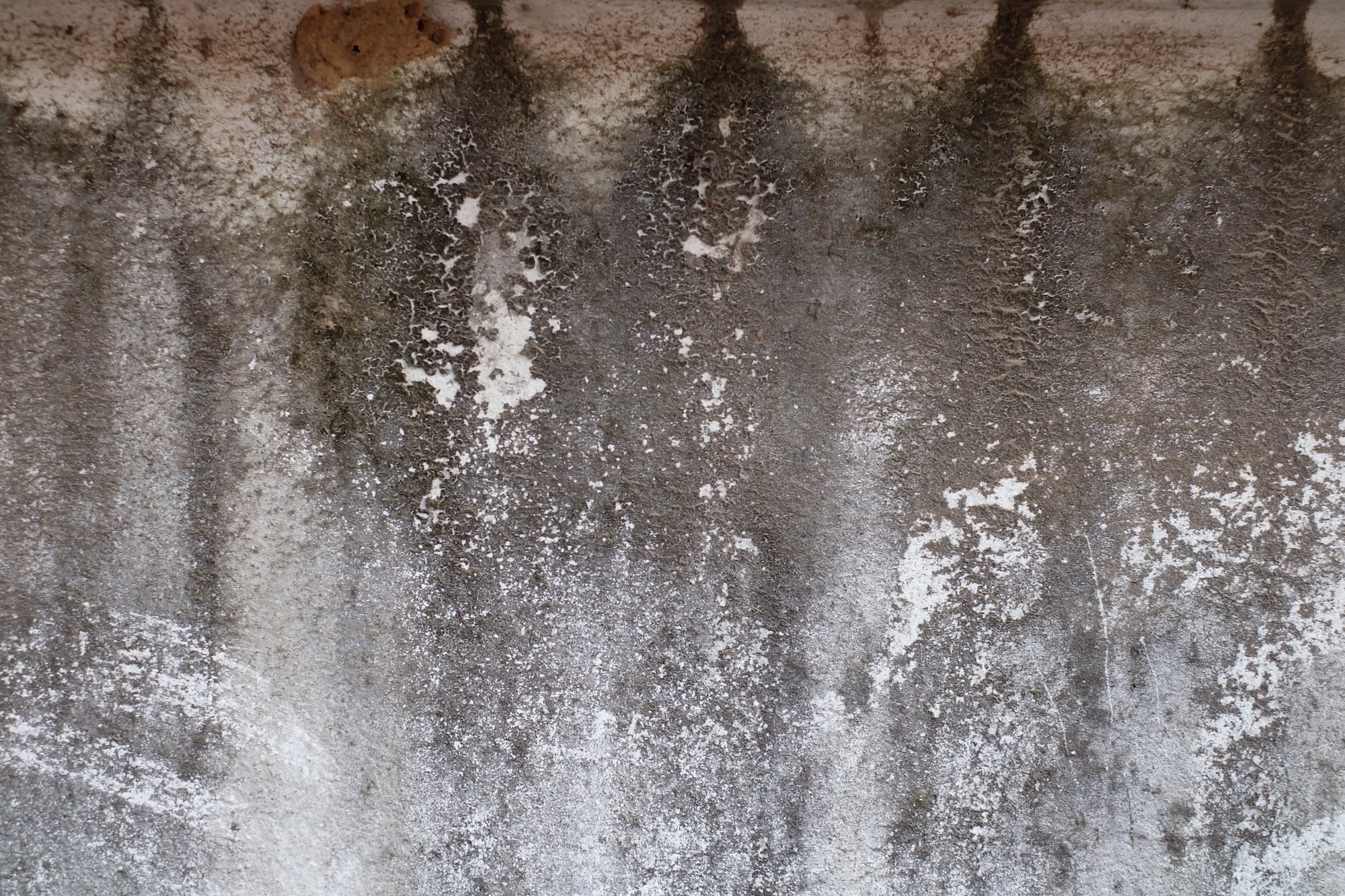
The same pattern shows up after storms. A house may take on water during heavy rains or a hurricane, dry out unevenly, and seem mostly fine a week later. Then a remodeling project opens a wall or floor cavity and reveals what was left behind. That is one reason water damage cleanup Central Florida work needs to be thorough and well-documented. Moisture that lingers out of sight can disrupt renovation plans months later.
If your home has had any recent or past storm intrusion, especially in a region where hurricane damage restoration Florida services are a regular part of recovery life, it is worth thinking about the renovation and the moisture history as one connected issue. They are not separate stories.
HVAC can quietly spread a small problem into a whole-house problem
When people think about mold, they often picture one damp corner or a visible patch around a leak. What they miss is how often the air system becomes part of the equation.
Florida health guidance specifically notes HVAC or drain-pan problems as common moisture sources. In practical terms, that means a problem can begin in one area and become harder to isolate once the system is moving air through the house. If your AC has been running hard just to keep indoor humidity manageable, that is a sign worth taking seriously. The guidance says the system should be examined for problems when it is being used to lower humidity below 60 percent.
This is where HVAC mold remediation enters the conversation. If renovation exposes mold or moisture connected to the air system, the answer is not to wipe down a vent cover and move on. The underlying issue has to be identified and fixed, or you end up renovating into the same problem again.
Homeowners often tell me, “The room smelled musty, but only when the air kicked on.” That detail matters. It may not tell you exactly what is wrong, but it tells you the house is communicating something useful. Odor removal can be part of the cleanup process, but odor alone should not be treated as the whole job. Smells are clues, not solutions.
Asbestos concerns do not exist in isolation
One of the biggest mistakes in older-home renovation is treating asbestos as a standalone checkbox. Test for one thing, get a yes or no, then proceed. Real projects are messier than that.
In an older Groveland home, a renovation may involve possible asbestos, possible lead-based paint if the home was built before 1978, moisture damage, mold, and insurance questions all at once. If the house has also been through a storm event, fire, smoke, or a plumbing backup, the planning gets even more layered.
That is why experienced homeowners and careful contractors think in sequences, not isolated trades. What needs to happen first? What should not be disturbed yet? Is there an active leak? Is the HVAC contributing to the issue? Has storm or flood damage been fully documented for insurance? Are there health risks from sewage or contaminated water that change how the area must be handled?
A good remediation company Lake County homeowners trust will usually approach the property that way, as a system rather than a single symptom.
When storms, floods, or backups are part of the picture
Groveland homeowners know that not every project begins with a planned remodel. Sometimes the sequence starts with damage.
A storm tears at the roof. Water gets in through a weak point around a window or soffit. A bathroom line leaks for longer than anyone realized. In worse cases, floodwater or sewage contamination enters the home. After that, someone decides it makes sense to renovate while repairs Central Florida restoration company are underway.
That can be a practical decision, but only if safety and contamination come first.
FEMA and CDC flood guidance say flooded homes can contain mold and sewage, and reentry should focus first on safety, utilities, and contamination risks. CDC guidance also says food exposed to flood or storm water should be thrown away, and people need to be cautious with generators because of fire and carbon-monoxide risks. Those details may seem separate from your flooring or wall project, but they are not. They shape how cleanup starts and what can safely be salvaged.
Sewage cleanup deserves special respect. CDC guidance says sewage backups can create health hazards, and cleanup should use protective precautions with affected areas isolated during cleanup. If a lower section of wall or flooring was touched by sewage, renovation choices come after the contamination issue is handled, not before.
The same is true after a fire. Fire and smoke damage cleanup is not just about soot on visible surfaces. The U.S. Fire Administration says the first 24 hours after a home fire are important for safety checks, salvaging what is safe, and starting insurance and recovery steps. If you are already planning to open walls or replace finishes after a fire event, it is wise to slow down and coordinate carefully. What looks like a remodeling opportunity may still be an active restoration environment.

Insurance, documentation, and the paper trail homeowners often skip
People tend to think documentation is for major losses only. In reality, any project that overlaps with storm, flood, smoke, fire, or water damage needs a decent paper trail.
FEMA recovery guidance says homeowners should document damage and coordinate with their insurer during cleanup and repairs after flood, storm, smoke, or fire events. The NAIC also reminds consumers that homeowners insurance is a legal contract, and homeowners should ask questions, understand coverage, and keep an inventory to help with claims.
That matters because the line between renovation and damage repair can get blurry. If you were already planning to replace flooring, but a storm introduced water first, your next steps should be informed by both the condition of the home and the policy details. Guessing your way through that process can create avoidable headaches.
Good documentation does not have to be complicated. Clear photos, dates, notes about what was found when materials were opened, and records of conversations with your insurer can make later decisions much easier. They also help when multiple issues overlap, such as asbestos concerns, mold, and water damage in the same affected area.
Choosing help without getting lost in the sales pitch
The restoration and remediation space can be confusing because homeowners are often hiring under stress. A leak has spread. The home smells off. Storm damage is fresh. Floors are already half removed. It becomes tempting to say yes to the first company that promises to “handle everything.”
Sometimes one company can coordinate multiple services well. Sometimes that promise covers a lot less than the homeowner assumes. You want clarity, not slogans.
Here are a few signs that the conversation is moving in a useful direction:
- They ask about the home’s age, moisture history, and whether any recent disturbance has already occurred.
- They talk about identifying and fixing the moisture source, not just cleaning visible growth or removing odors.
- They explain where insurance coordination fits, especially after storm, flood, smoke, or fire damage.
- They recognize when specialized or licensed work may be required, rather than folding every problem into one generic cleanup package.
- They set realistic expectations about containment, cleanup sequence, and what cannot be judged from the surface alone.
That last point matters more than most homeowners realize. Honest professionals rarely rush to certainty when the house has not been properly evaluated.
Florida also gives homeowners an important checkpoint on mold-related work. The Florida Department of Health says mold assessor and mold remediator licensure is handled by the Florida Department of Business and Professional Regulation. If your project has moved from a remodeling concern into a moisture and mold problem, credentials are worth checking.
The trade-off nobody likes: speed versus certainty
Homeowners often ask the same practical question in different words: can we just get started?
Sometimes the answer is yes, once the right evaluation has happened. Sometimes the answer is not yet.
That delay feels frustrating when materials are on order and the contractor is scheduled. But the trade-off is simple. Speed feels good on day one. Certainty saves money on day twenty.
This is especially true if the home has a layered history. Maybe the house is older, and you are already aware that Groveland FL asbestos testing is a sensible precaution. Maybe there was roof leakage during last hurricane season. Maybe one bedroom has had a musty smell on and off for years. Maybe the AC has struggled every summer. If you move straight to demolition in that setting, you are gambling that none of those details connect. They often do.
By contrast, a measured start lets you separate problems properly. Is this just a renovation? Is it renovation plus testing? Is it renovation delayed by water damage cleanup Central Florida conditions? Does it require asbestos abatement Lake County rules to be considered? Is there a mold issue tied to ventilation or the air handler? Those are answerable questions, but not if everyone is swinging hammers first.
What a sensible path looks like for a Groveland homeowner
A sensible path is rarely dramatic. It usually looks like a homeowner taking one calm step back before taking three expensive steps forward.
You notice aging materials and plan a remodel. Because the house is older, you do not assume demolition is harmless. Because this is Groveland, you also think about humidity, prior leaks, heavy rains, and whether the AC has been fighting an unseen moisture battle. If the home has been through storm or flood conditions, you factor that in early. If there has been smoke, fire, or sewage exposure, you recognize that cleanup safety comes before renovation choices. If odors are present, you treat them as evidence worth tracing, not something to cover up.
That approach may lead to testing. It may lead to mold assessment and repairs to stop moisture intrusion. It may lead to emergency restoration services if the issue is active and recent. It may mean working with a remediation company Lake County residents call when multiple conditions overlap. What it should not lead to is impulsive demolition in a home that has not been properly understood.
The older-home projects that go most smoothly are not always the easiest houses. They are usually the houses where somebody asked the right questions soon enough.
If your Groveland home is on the older side and you are about to open walls or replace flooring, the smartest first move may be the one that feels least exciting. Stop. Evaluate. Respect the age of the home. Respect the moisture history. Then move forward with a cleaner scope, a safer plan, and far fewer surprises.
❧